By Pablo Vila
(Warning: Spoilers Below)
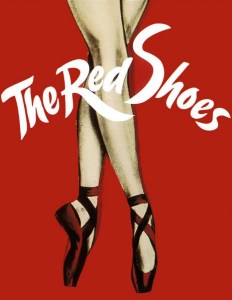 “The Red Shoes” is a film that draws you in to the world of ballet. On the one hand it is a beautiful tribute to the art form, showcasing the delightful blend of music, dance and theatre, the passion and dedication of its performers and the ability to tell powerful stories that resonate with audiences. The other side of the coin is the draconian demands it places on its performers, who are ordered to dedicate their bodies and souls fully to the art form in order to achieve ballet perfection i.e. fame and recognition on a global stage.
We are introduced to the perfectionist mastermind of the ballet troupe Lermentov whose rude, single-minded and ruthless manner allows him to get the most out of his performers and lift the budding Victoria Page to stardom. He foreshadows later events in the film when he comments that performers falling in love is akin to ruining them as ballet dancers, removing their focus and diminishing their commitment to their work to the detriment of the performances.
When Victoria falls in love with the orchestra conductor and the relationship blossoms under the nose of Lermentov, we begin to see the mounting pressure of living this double-life, a contradiction that leads Victoria to her tragic death.
Lermentov represents the temptation of ‘having it all’, and showing how beauty and truth can be attained at the highest levels of performance art, the prospect of being immortalised in the public eye and carrying a wonderful legacy into ballet history. But at what cost? This ‘glorious’ path while enabled by Lermentov’s talent and obsessive nature also leads to an increasing corruption of his character, blinding him to people’s humanity and needs. To Lermontov the value of public entertainment is so great that it even outweighs the destruction of somebody’s life.
In our modern world, the demands of career and vocation are justified by the desire to “have it all” and the concept of a person’s worth can be tied to what they produce or display to the world rather than who that person is and how they relate to others. Is one’s legacy their achievements or is it how much they treat others? While striving for great achievements in arts, career, sports or other endeavours in life is a noble thing, the film shows us that we are still human, deep down we have our own desires and dreams within us, our souls that no one can or should try to take away.
——————————————————————
Other Links:
“The Red Shoes” and the Artistic Vocation: A Cautionary, Cinematic Tale – Catholic World Reporter
 The "Recordatio" Cinema Club