Rear Window (1954)

In the latter half of Alfred Hitchcock’s masterpiece Rear Window, Lisa bemoans to her wheelchair bound beau, Jeff, (a luminous Grace Kelly alongside the ultimate everyman James Stewart) the ghoulish reality that they are disappointed by the possibility Thorwald, from the apartment across the yard, may not have killed his wife. She quips, “Whatever happened to that old saying: ‘Love thy neighbour?’”

More than just an amusing line, I want to suggest that herein lies one of the more significant issues raised by the Catholic formed Hitchcock in this wildly entertaining film… 

Read the full essay Who Is My Neighbour? A Look Through the ‘Rear Window.’

A Serious Man (2009)

a-serious-man

There are many ‘serious’ questions that arise from Joel and Ethan Coen’s film A Serious Man. Like the biblical text it is most compared with, the questions are huge, concerning justice, the meaning of suffering and God’s relationship to humanity. I would like to focus on the one question, potentially smaller in scope, that finds its basis in the title of the film, and that is: What does it mean to be ‘a serious man’?

Read the full essay, Divine Seriousness & The Trouble With Being ‘A Serious Man’ by Jeremy Ambrose

To Be Or Not To Be (1942)

to-be-or-not-to-be-1942-hitler-holding-up-hands-00m-pn3

When Ernst Lubitsch made the rip-roaring comedy To Be Or Not To Be, about a Polish theatre troupe under Nazi occupation, playing their part for the resistance and “acting” to save their lives, he probably had little idea that his timely 1942 film was paralleling the real-life heroics of another group of Polish actors, who came together to form the “Rhapsody” theatre, playing their part by putting on underground plays as acts of cultural resistance and “acting” to save the identity and tradition of the Polish people. Amongst these actors, who would perform clandestinely behind closed doors before an audience of friends and colleagues, was Karol Wojtyla – the man who would one day become Pope John Paul II…

Read the full essay on Ernst Lubitsch’s To Be Or Not To Be.

Alfie (1966)

alfie

“What’s it all about, Alfie?”
The famous line from the film’s theme song poses an existential question that lies at the heart of Alfie. The swinging sixties and the start of the sexual revolution are personified in Michael Caine as Alfie, and under the guise of a comedy, we are given an honest glimpse into the highs and lows of such a life and the consequences that follow.
A film that couldn’t be made today (although attempted in 2004 with Jude Law playing the lead role) yet timeless in its portrayal of humanity and life, Alfie is a film that will always be relevant and is not to be missed!

Read The Pro-Choice Politic of Alfie by Jeremy Ambrose

Ordet (1955)

ordet johannes
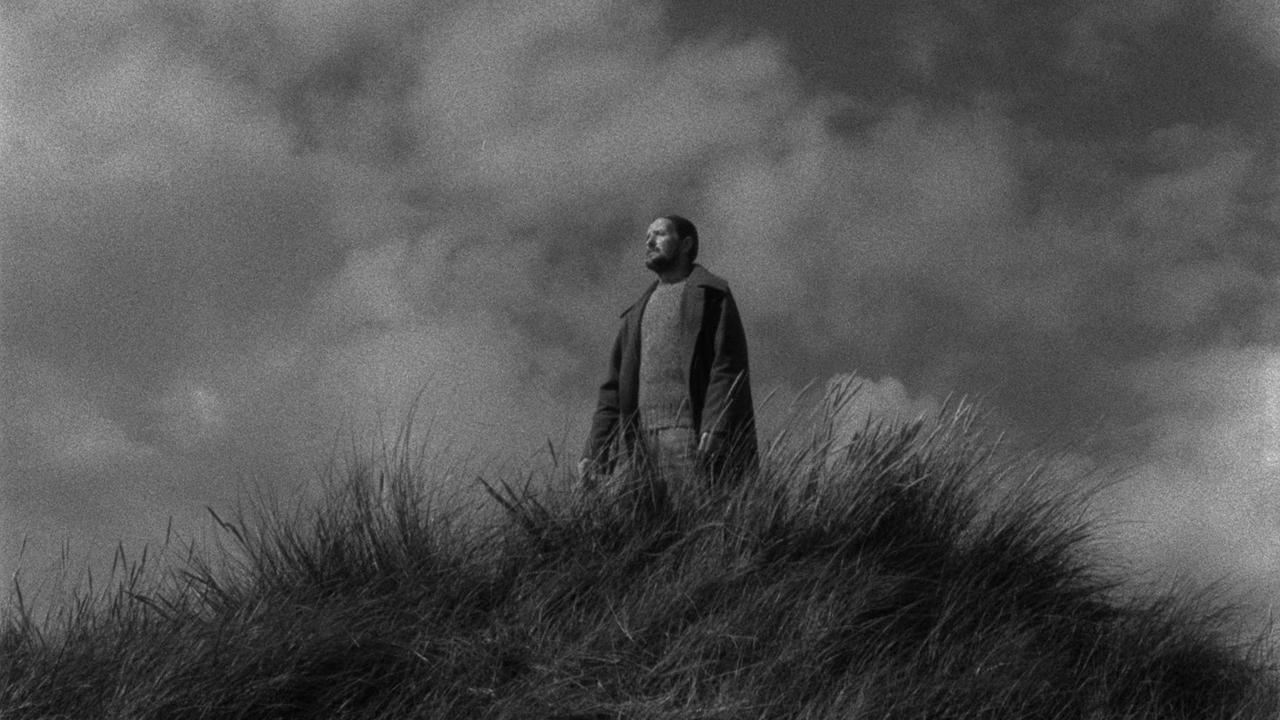
Often to be found in most top tens of the greatest films of all time, Ordet (The Word), is a profound  experience. It is a challenging film, that asks many questions, without offering direct answers, and yet, by the end of the experience succeeds in bringing the viewer closer to God and fellow man.

A Danish family go about their ordinary lives, experiencing love, pregnancy, and conflict. In the midst of all of this stands Johannes, the second son of the family, who has gone mad, and thinks he is Jesus Christ.

Roger Ebert describes his experience of Ordet:

When the film was over, I had plans. I could not carry them out. I went to bed. Not to sleep. To feel. To puzzle about what had happened to me. I had started by viewing a film that initially bored me. It had found its way into my soul. Even after the first half hour, I had little idea what power awaited me, but now I could see how those opening minutes had to be as they were… The film stands utterly and fearlessly alone. Many viewers will turn away from it. Persevere. Go to it. It will not come to you.

Read Divine Madness In Ordet by Kamila Soh

Silence (2016)

silence-face of Jesus

Martin Scorsese’s Silence is an incredible film, no matter how you look at it. It is beautifully made and strives for authenticity, historically and spiritually. It is a film that takes faith seriously, and understands the tensions therein, the doubts, the testing, and ultimately the presence of the divine. The story is challenging and leaves its audience to uncomfortably wrestle over the events depicted, struggling to interpret what has been witnessed. In the midst of this wrestling, we find that we are slowly being stretched and that the film has the ability to do something to us; to bring us to an even deeper understanding of who we are and who God is.

To break the film open in even greater detail, we have invited two of our best writers to offer their reflections on this magnificent film.

Read Entering The Heart of Silence by Mary Joseph

Tomasz Juszczak’s Reflection Coming Soon…

Two Days, One Night (2014)

two_days_one_night

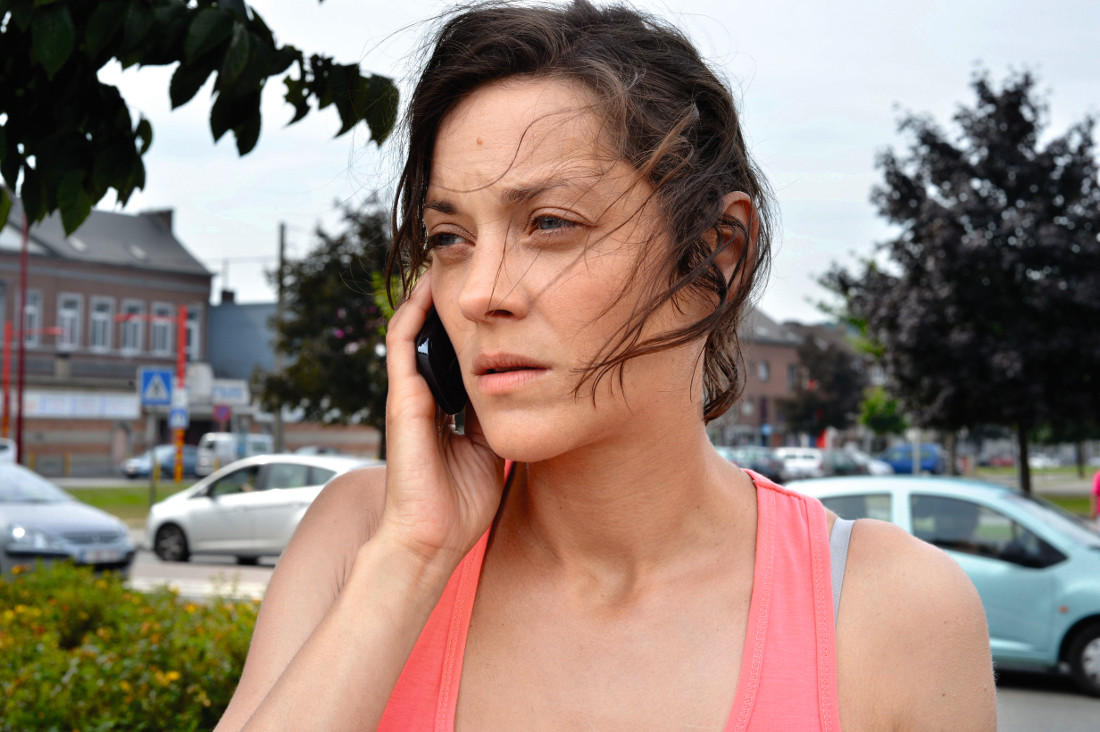
In the Dardenne Brothers’ 2014 film “Two Days One Night” (Deux jours, une nuit), we are treated to a very personal, gritty drama which speaks to some of the challenges working families face in the world of today. Sandra, played by Marion Cotillard is a wife and mother who works at Solwal, a solar energy company in Belgium. She suffers from depression and after recently enduring a nervous breakdown is about to return to work. During Sandra’s absence, there were discussions amongst management about her ongoing role at the firm. It was decided that her co-workers would vote whether the protagonist should remain employed or made redundant. The twist being that if the vote is in favour of Sandra staying, they lose an attractive financial bonus. The vote is to be taken on the coming Monday, Sandra’s first day back to work.

To Read The Full Reflection by Pablo Vila, Click Here…

Au Revoir Les Enfants (1987)

au-revoir-les-enfants-goodbye-children


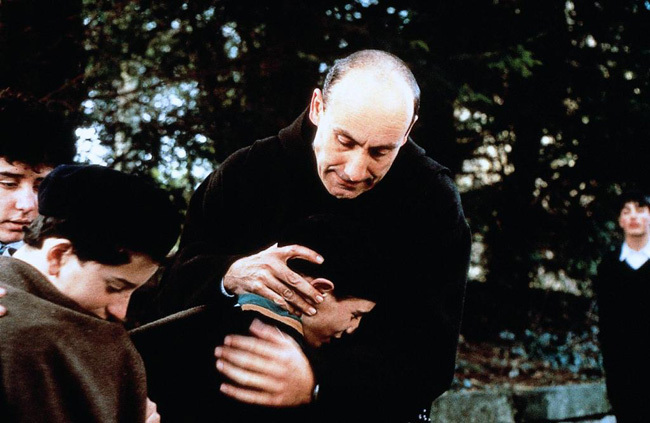
In our ‘Year of Mercy’ series, Louis Malle’s autobiographical film, Au Revoir Les Enfants sets the bar high in portraying on celluloid a true and inspiring image of mercy. Set in Paris under Nazi occupation and concerning the daily lives of the boys at a Catholic boarding school, we are given fleeting glimpses of these larger world events as they slowly infiltrate the protective environment that the Carmelite brothers have tried to maintain for their students.

Yet, in the midst of great evil and suffering, there is great mercy…

Read Mary Joseph’s reflection on the film here